
Program of the International Scientific and Applied Summer School on Geology and Geoheritage
“Geoheritage of the Silk Road”
According to the program of the trip, participants will visit various climatic zones: from nival, glacial in the north of Kyrgyzstan, to semi-deserts and savannah in the south. The topics of the field trip reflect a comprehensive geoscientific approach to the study of geodiversity. During the excursions, geoobjects that reflect the general geological understanding of the region, regional geology, paleontology, stratigraphy, georisks, tectonics and structural geology, geomorphology and Quaternary geology will be presented and studied. Participants of the summer school will get an idea of the geological history of the Tien Shan and its regional tectonic structure. Tectonic zoning of the Tien Shan is associated with the main epochs of tectogenesis, which form the areas of the Caledonian and Hercynian folding. These areas divide the Tien Shan into the Northern, Middle and Southern tectonic regions, with their inherent features of geological structure, formations and geodiversity. The geological and tectonic boundaries between the regions of the Northern, Middle and Southern Tien Shan correspond to subduction zones, which are associated with interesting geological phenomena, structures and mineral deposits. In this regard, the geodiversity of the Northern and Southern regions of Kyrgyzstan differs in its appearance, structure, origin and diversity. During the trip, you will also learn about the water resources of Central Asia, and the long biography of water. We will touch on the ecological features of the region and learn about its natural potential, including for the creation of geoparks.
The topics of this trip are interesting for both experienced geologists, students and young professionals.
- Dates: August 12 – 24, 2025
Location: Western Tien Shan, Kyrgyzstan, Central Asia
Total Distance: 2,570 km
Major Cities in the Itinerary: Bishkek, Osh
Arrival Airport: Bishkek
Departure Airport: Osh, Bishkek
Comments on Arrival and Departure:
Participants who wish to leave earlier may end their trip on Day 9 or Day 11 of the program and depart from Osh Airport either via a direct flight or via Bishkek. All participants will be provided with transfers to the airports.
FIELD TRIP ROUTE
Day 1. August 12. Arrival in Bishkek
Meeting at the airport. Hotel check-in. Briefing and program presentation
Day 2. August 13. Bishkek – Too-Ashu Pass – Suusamyr Valley – Toktogul
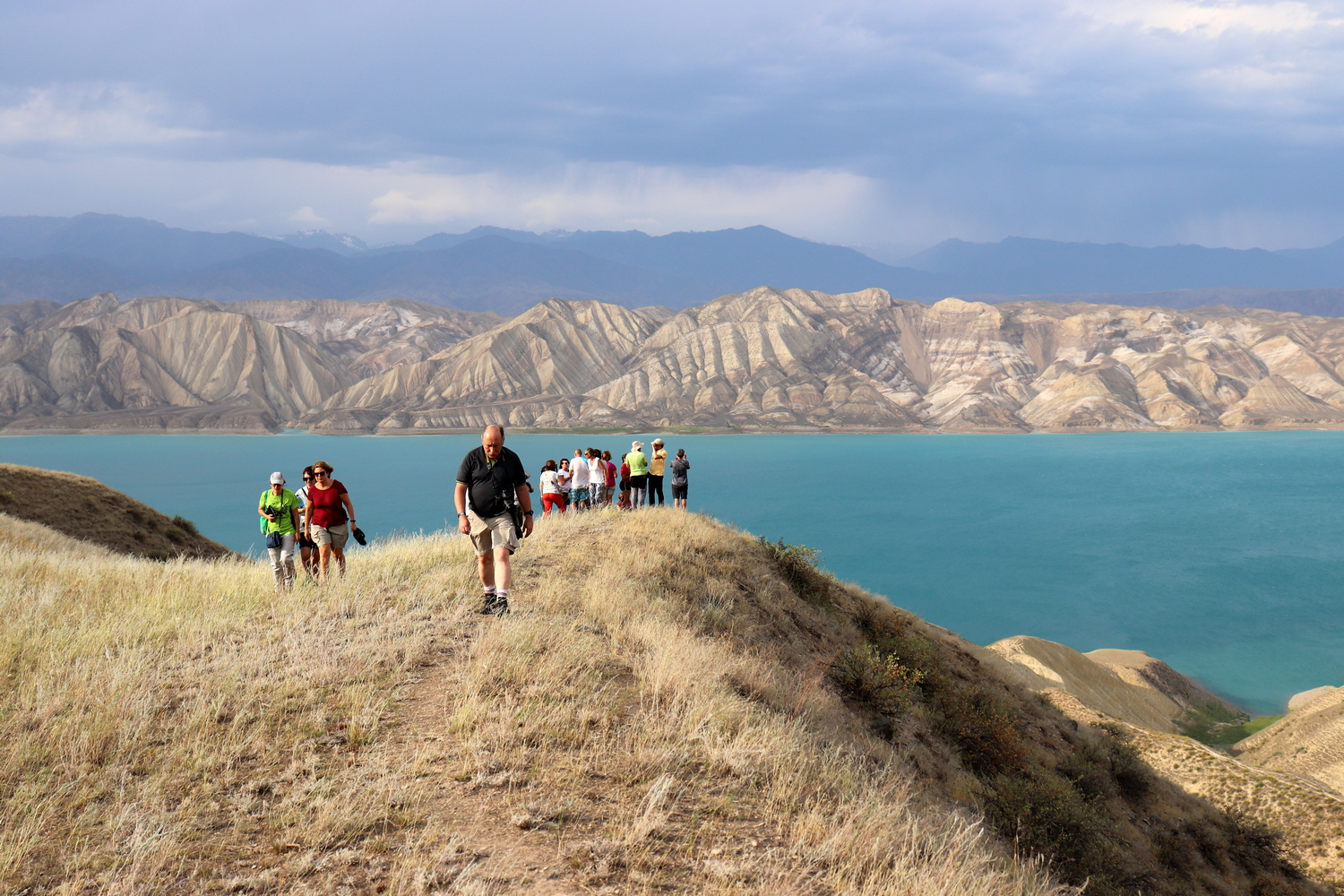
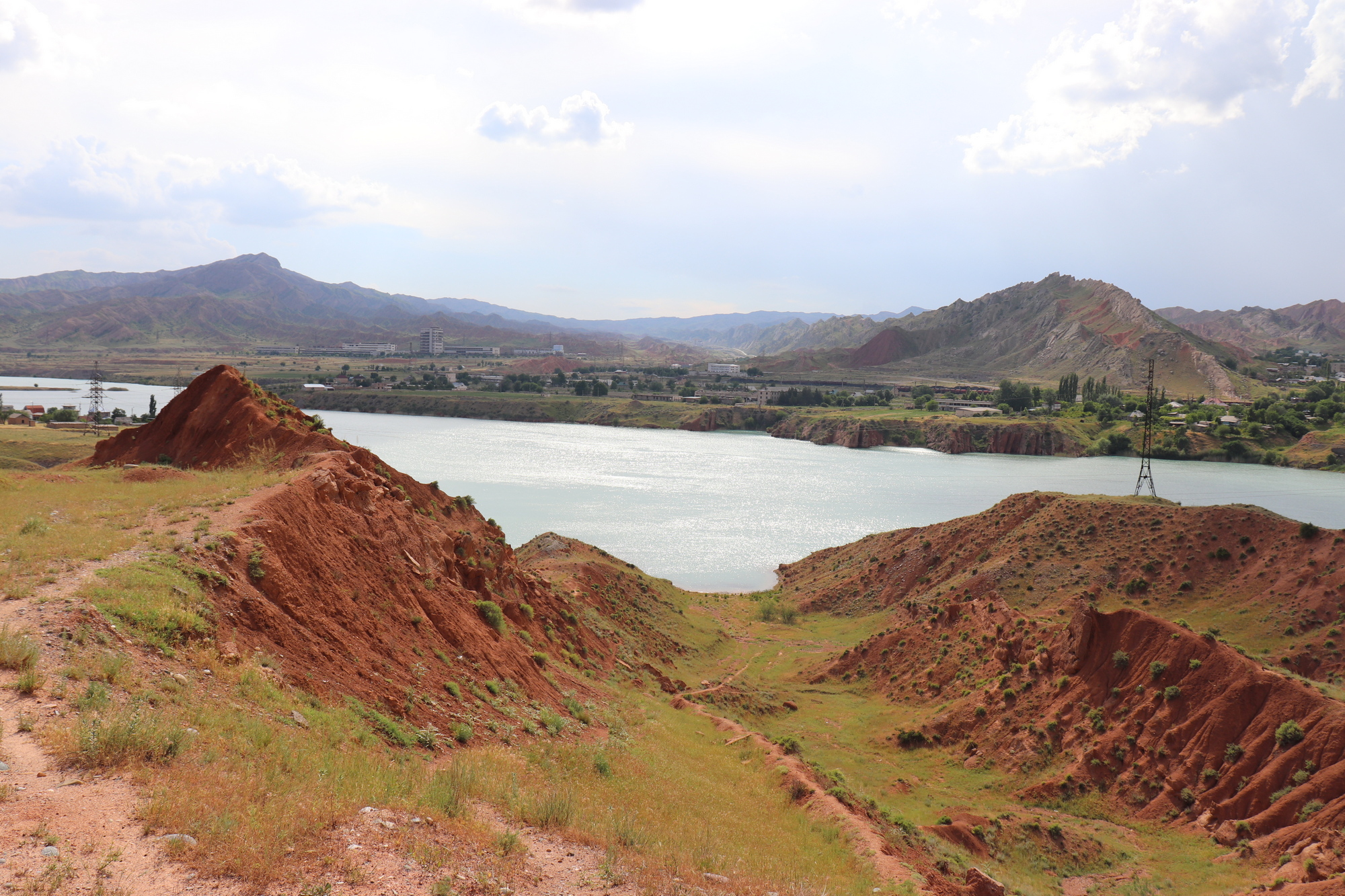
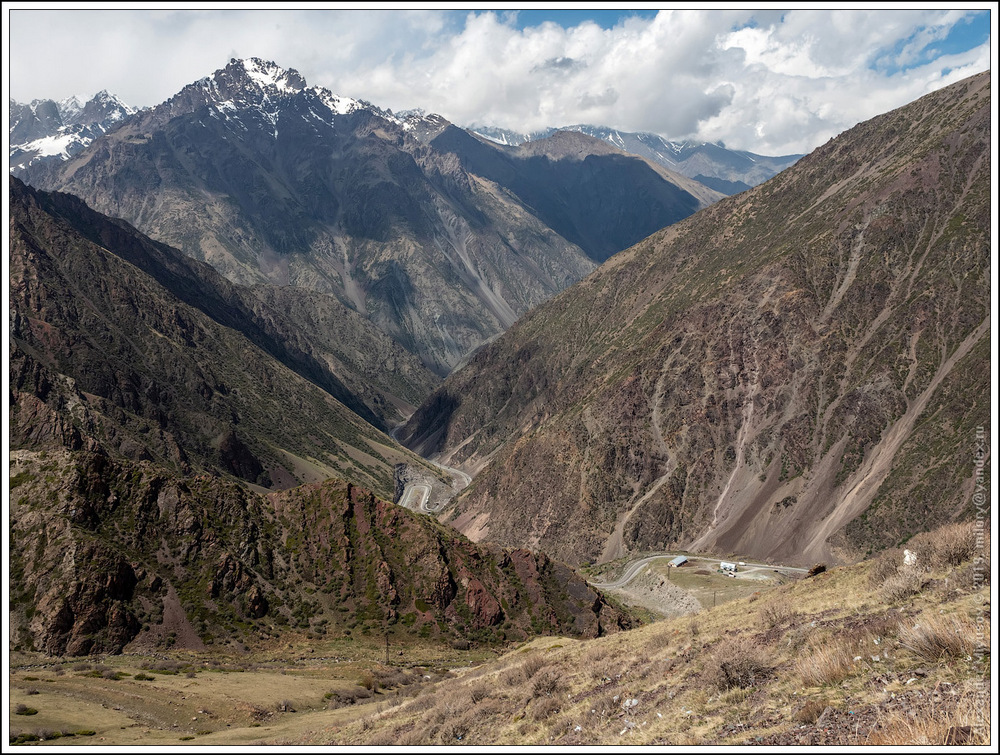
Field stops throughout the day for the study of modern tectonics in the Northern Tien Shan. The route crosses active fault zones that reflect the complex processes of Late Cenozoic mountain building. Crossing the Too-Ashu Pass (3,300 m), one of the key orographic nodes of the region. Panoramic views open onto the Suusamyr intermontane basin, shaped by active tectonic uplift and bordered by faults with neotectonic activity. The basin exhibits both direct and indirect manifestations of modern tectonic processes. A detour leads to the Itagar Gorge and Lake Sazköl — a body of disputed origin, potentially the result of tectonic, landslide, or moraine damming. The landscape features sharp geomorphological contrasts and high natural expressiveness. The next stop is the marble quarry in Chychkan Gorge, where metamorphosed carbonate rocks are exposed in contact with granitic intrusions. Tectonic boundaries and structural elements characteristic of collisional zones are observable. The route continues down to the Ketmen-Tube basin, now transformed into the Toktogul Reservoir — one of Central Asia’s largest artificial lakes. On the reservoir’s shore, a lecture will cover water resources of the Tien Shan, river system formation, and the development of Kyrgyzstan’s hydropower industry. Topics will include geological stability of dams, tectonic influences, and reservoir sustainability. Overnight at a hotel on the lakeshore


Day 3. August 14. Toktogul – Tash-Kömür – Mailuu-Suu
One of the most content-rich days.
First stop: Kok-Bel Pass, where morphostructural features of the Talas-Fergana Fault — a major tectonic element — are clearly visible. As the route moves south, there is a transition from the Caledonian tectonic zone to the Hercynian zone, reflected in both rock composition and landscape — from intrusive/metamorphic complexes to predominantly limestone sedimentary formations.
The route follows the Naryn River valley, the Tien Shan’s main waterway. Various geological structures are observed: inclined and unconformable bedding, tectonic blocks, folds, flexures — creating a “geological cross-section” along the way.
In Karakul, a visit to the Kyrgyz Hydropower History Museum is planned — an important part of the region’s nature use, closely linked to geology.
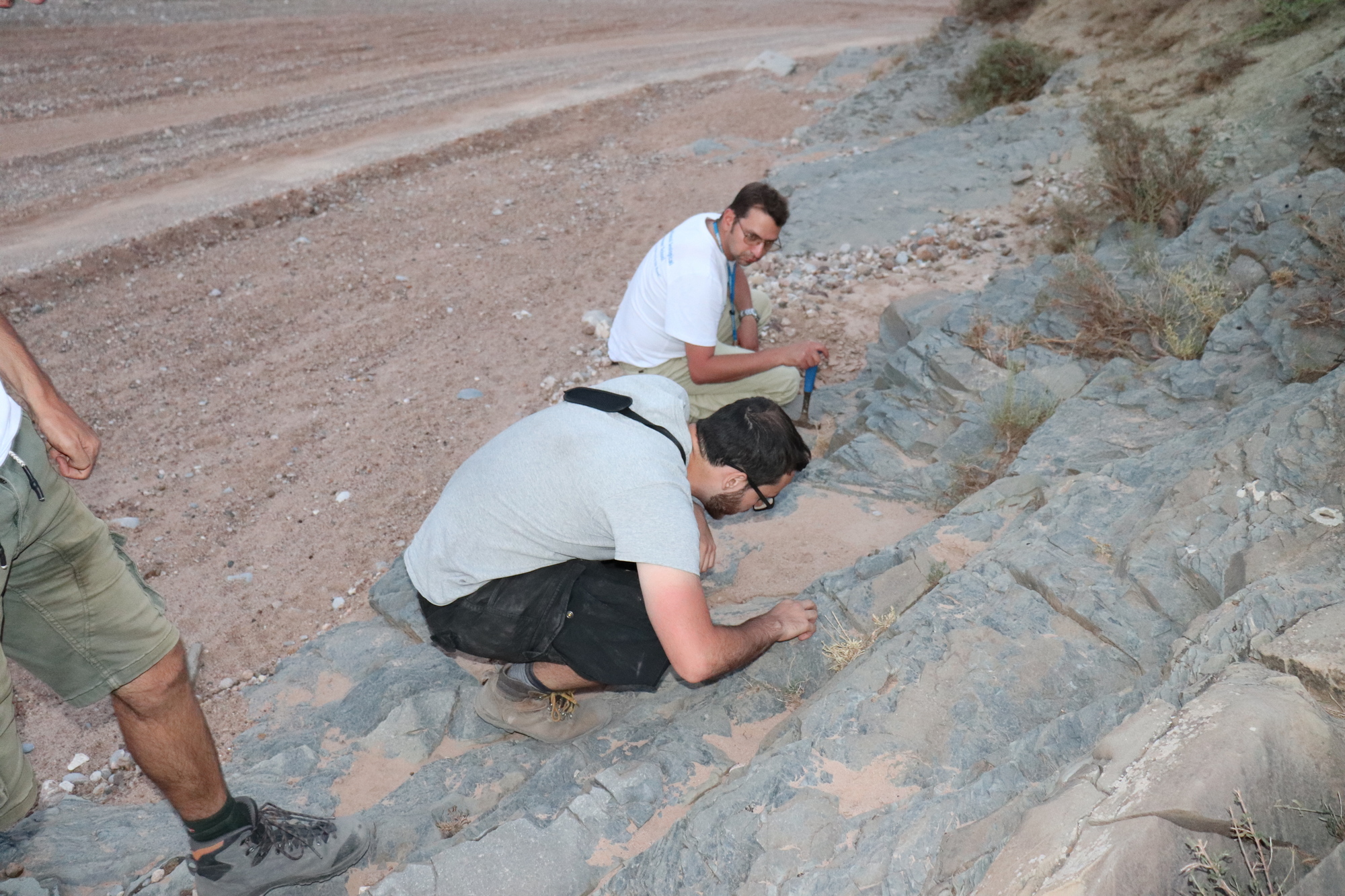
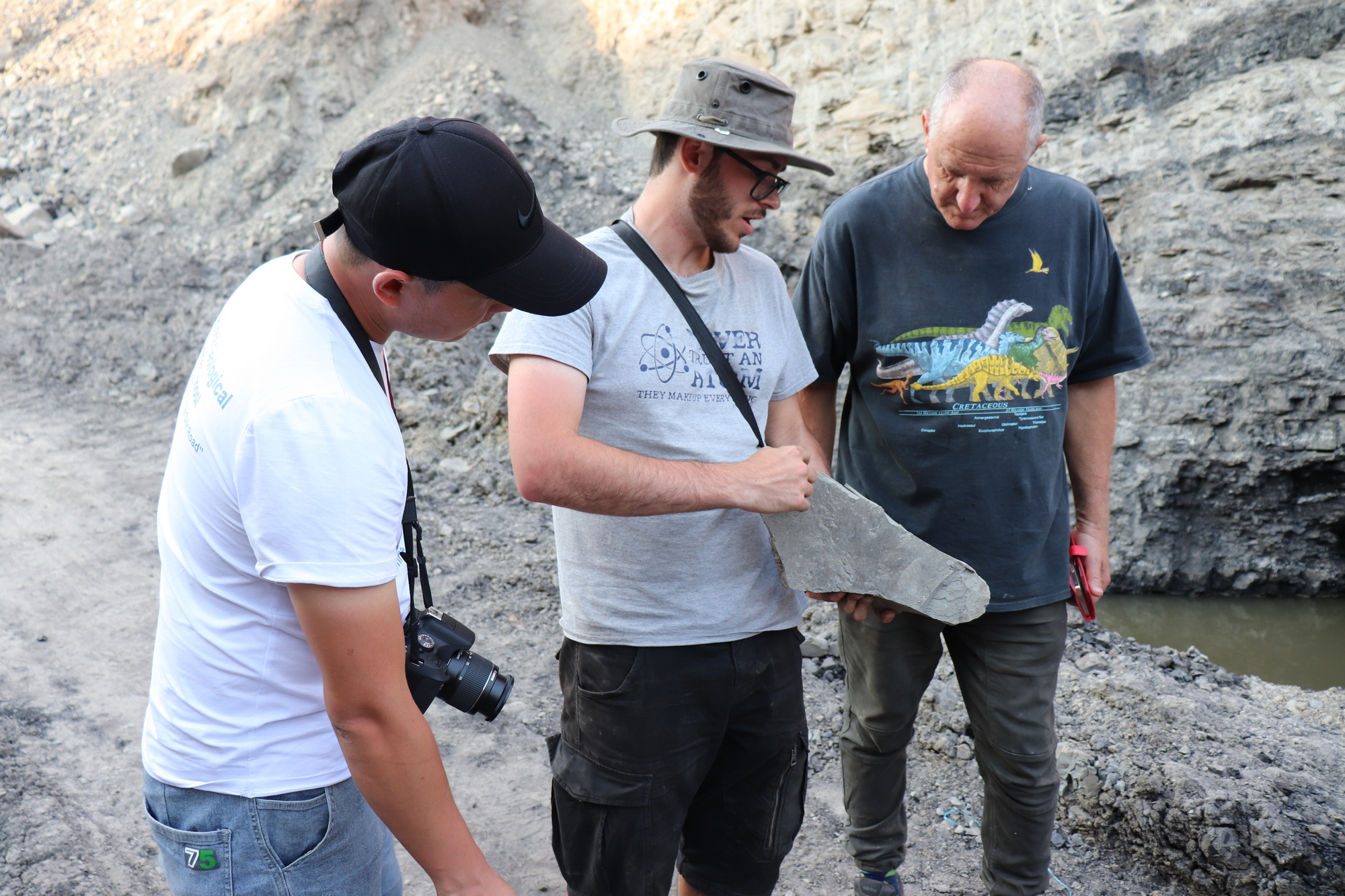
In Tash-Kömür, participants will explore the Meso-Cenozoic sedimentary complex and its paleontological content, including preserved evidence of ancient fauna in stratigraphic sections.
Arrival in Mailuu-Suu and hotel check-in
Day 4. August 15. Mailuu-Suu – Osh
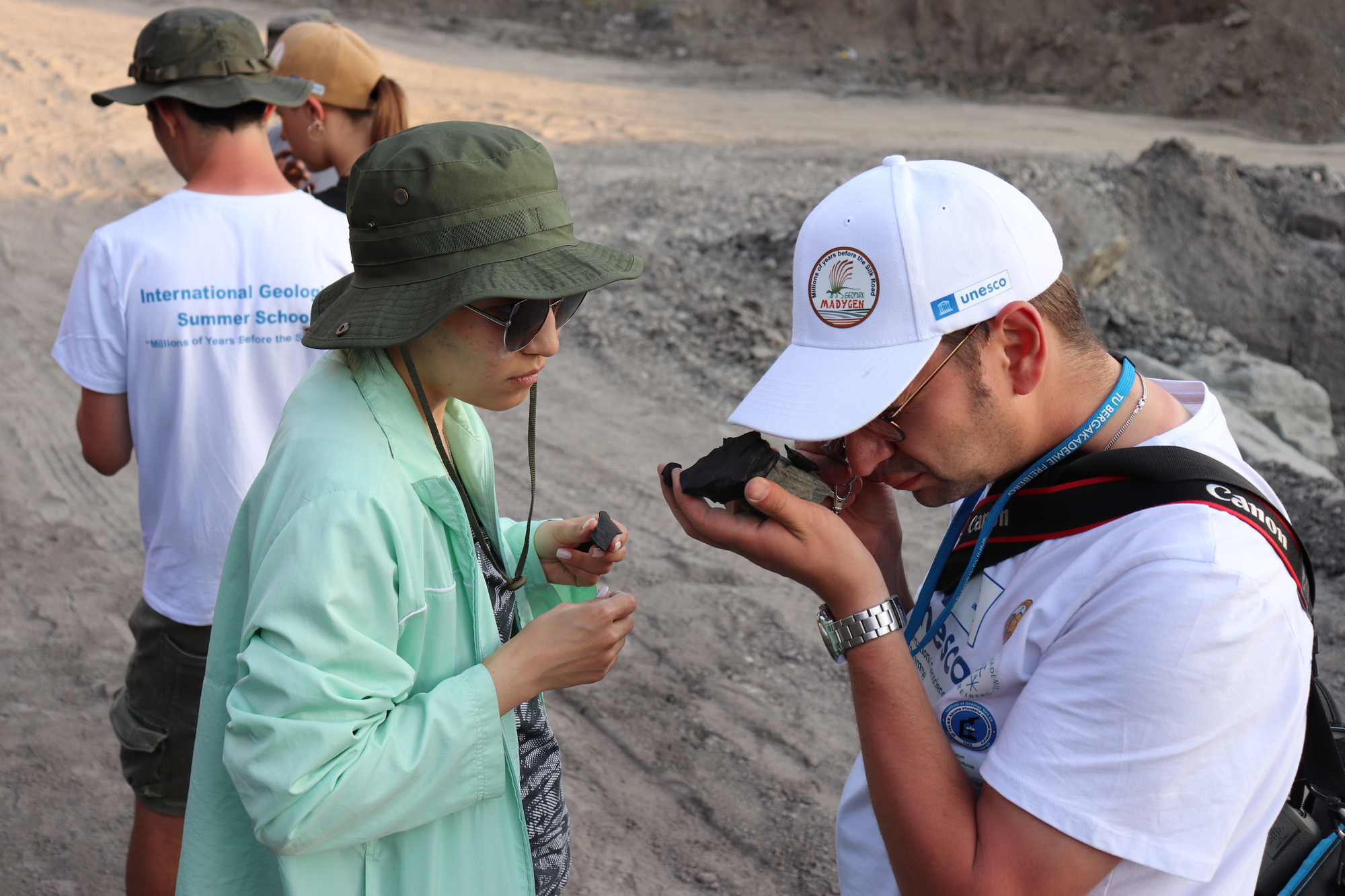
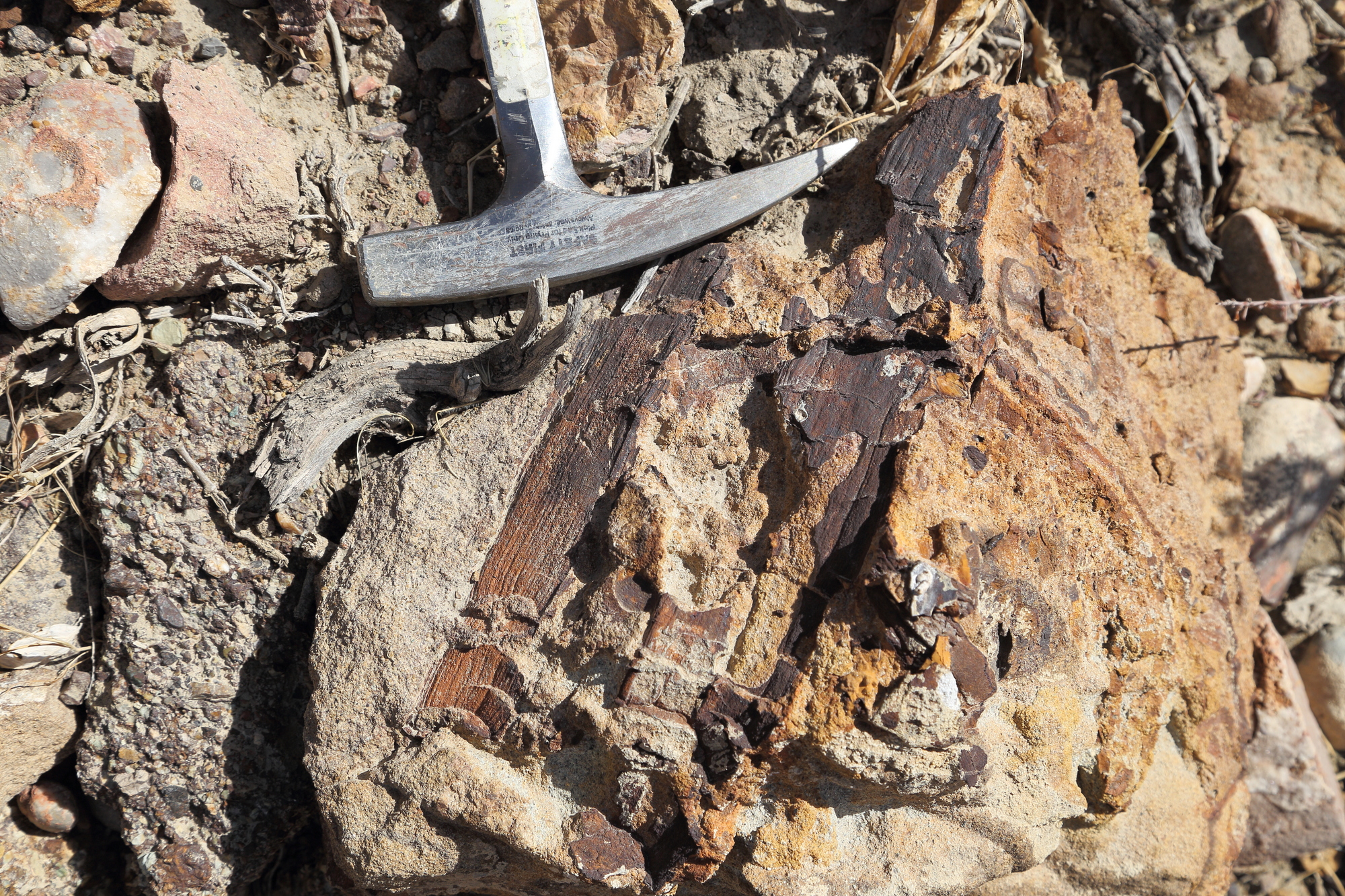
Morning: guided tour with Gulnaz Sarbasheva, a local specialist in history and archaeology. Focus: the historical-geological significance of the Mailuu-Suu Valley, a key site in the USSR’s uranium program and atomic industry development. A walking tour includes abandoned uranium mines, processing plant remains, and isolated radioactive waste storage sites (including those imported from Eastern Europe in the 20th century). These are studied for their technogenic impacts and geoenvironmental risks. Special attention to anthropogenic landscape transformation, including large landslides triggered by structural instability and hydrological disturbance. Visit to the “Dinosaur Plateau” with regional stratigraphic paleontological finds. Examination of the site of the first oil extraction in the Fergana Valley, where petroleum-bearing layers lie within Late Paleozoic and Mesozoic deposits. Visit to the Atomic Industry History Museum: archives, rock samples, and equipment used in uranium mining.


Day 5. August 16. Osh – Batken
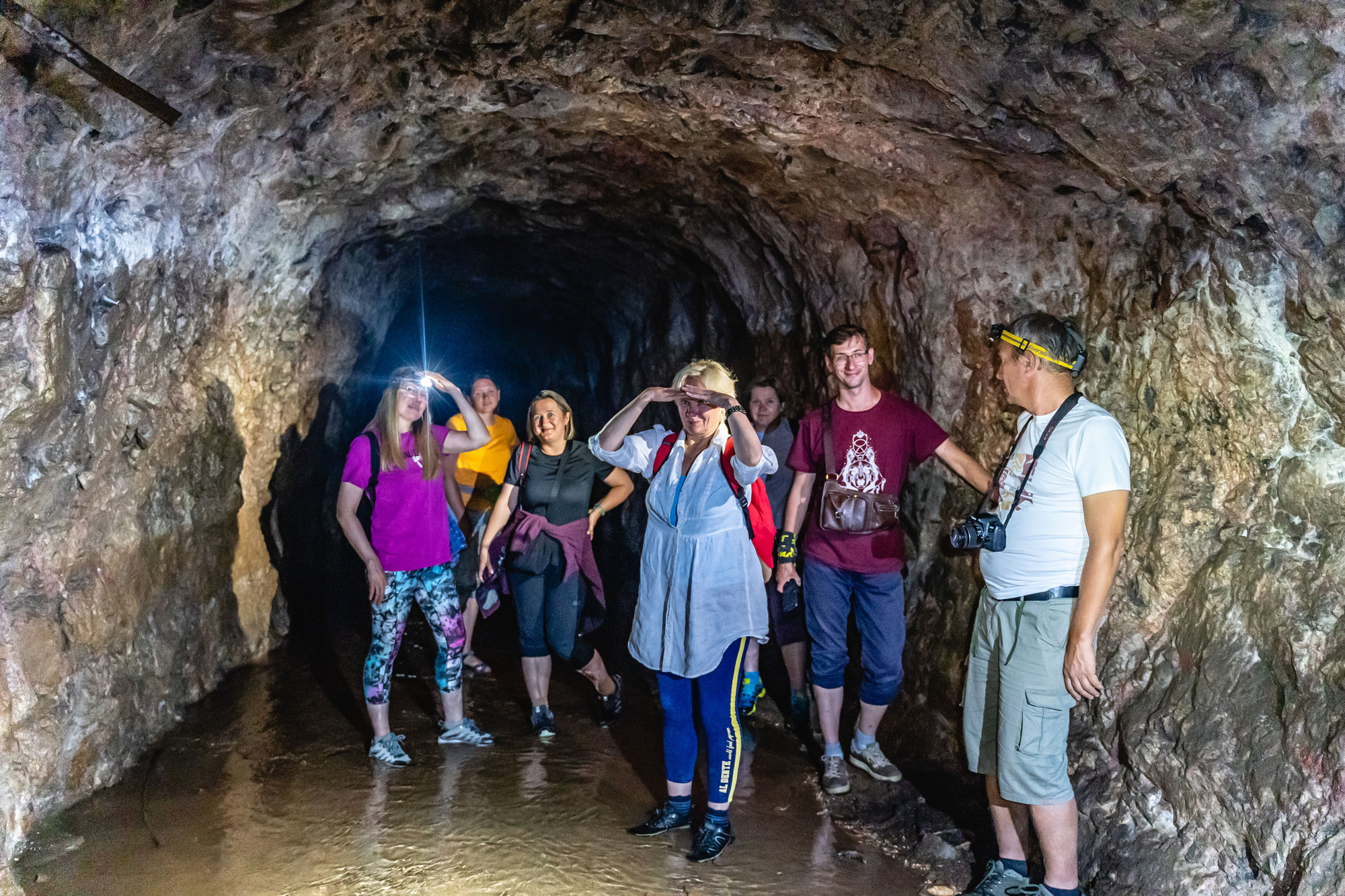
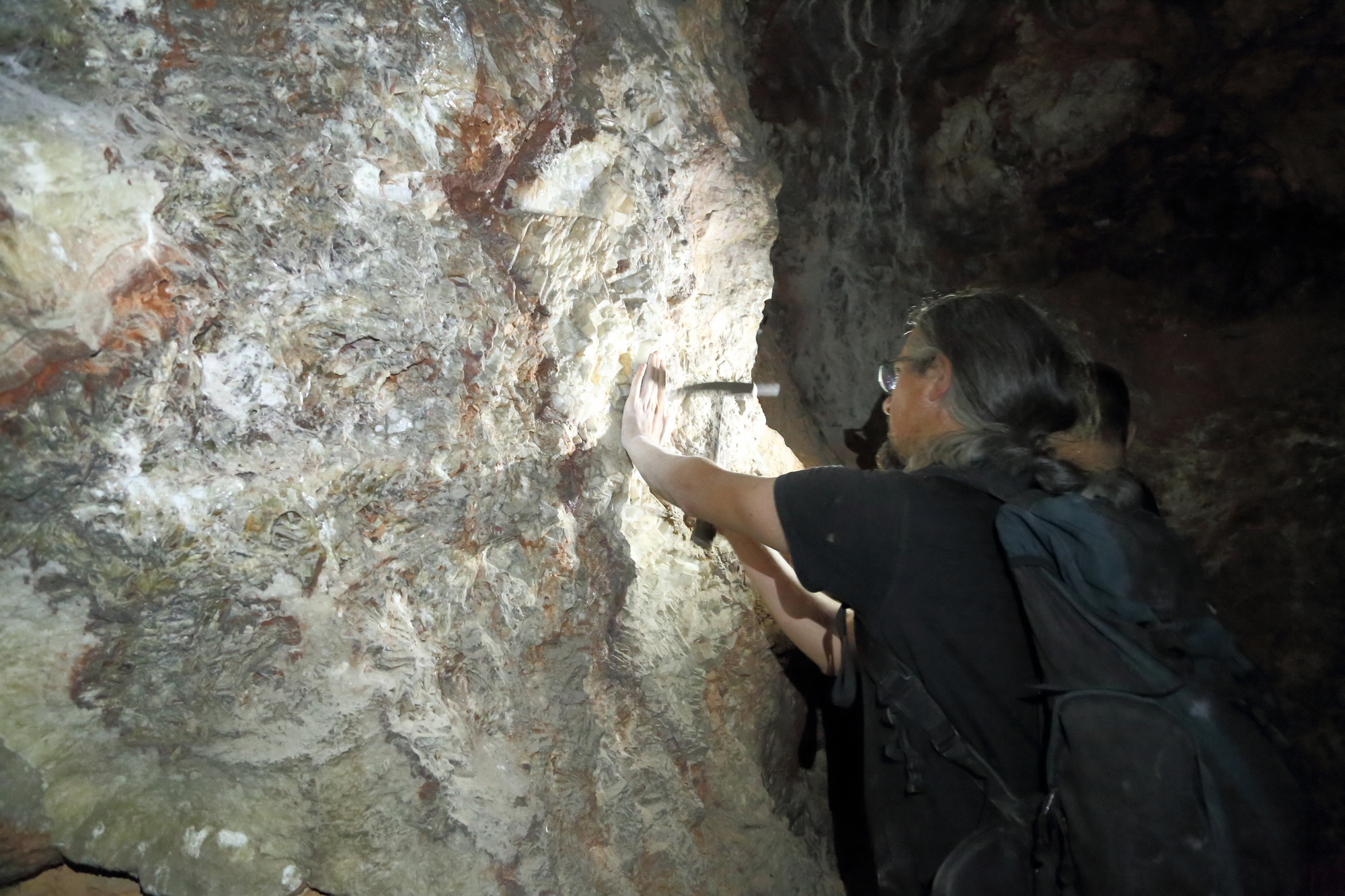
After breakfast, departure to the Osh Hills — karst landscapes developed in Devonian limestones. Pass through the Tuyuk-Muyun karst region, home to large hydrothermal caves, including the Fersman Cave on a plateau once mined for strategic ores for the Soviet atomic project. Next: Bolshaya Baritovaya (Large Barite) Cave — unique for its barite and calcite formations.
Then — travel to Kadamjay: history of mercury-antimony deposits. Visit to the Tegermech thrust fault where Silurian metamorphics overlie Devonian carbonates.
Overnight in Batken
Day 6. August 17. Batken – Madygen
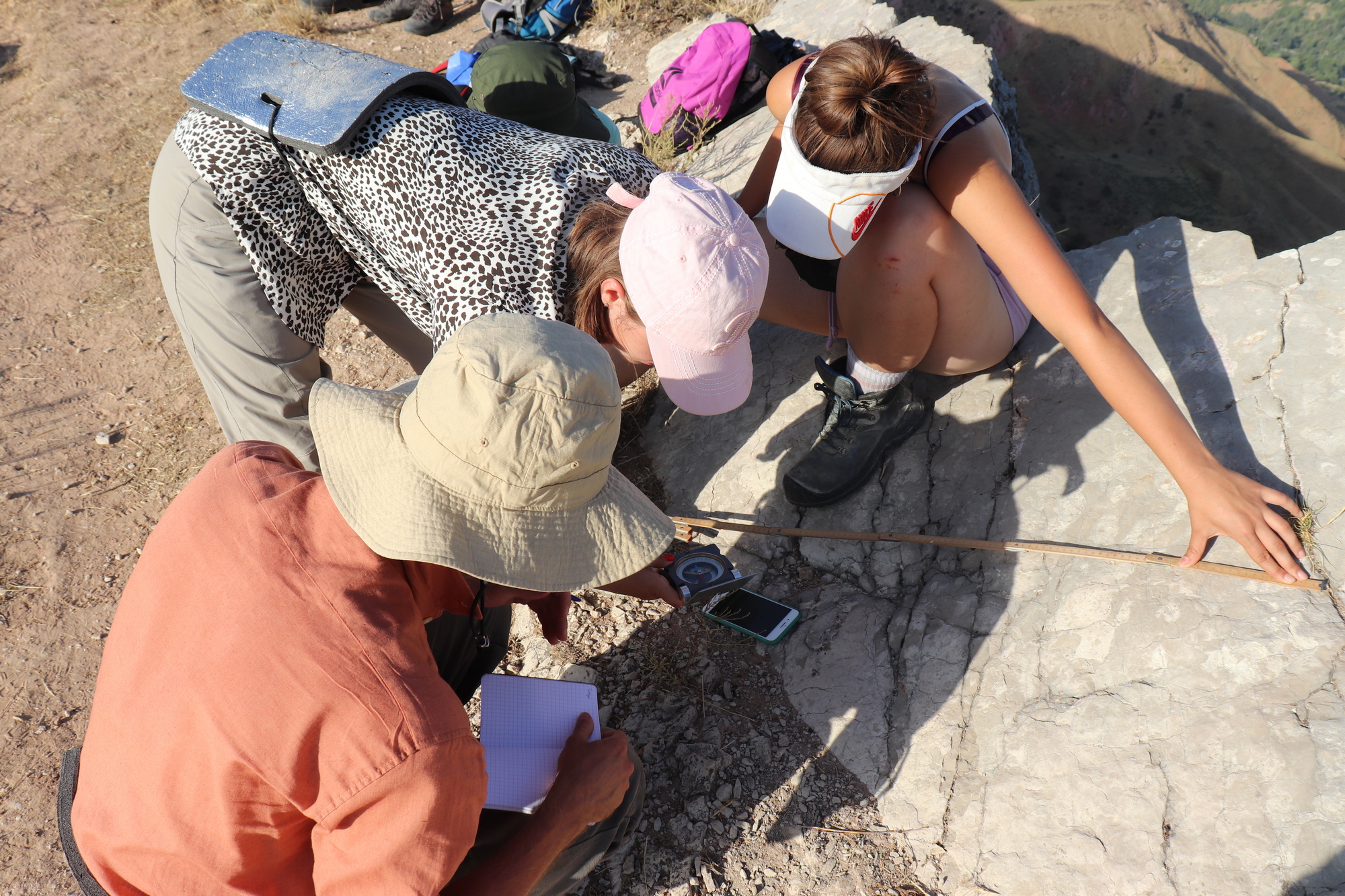
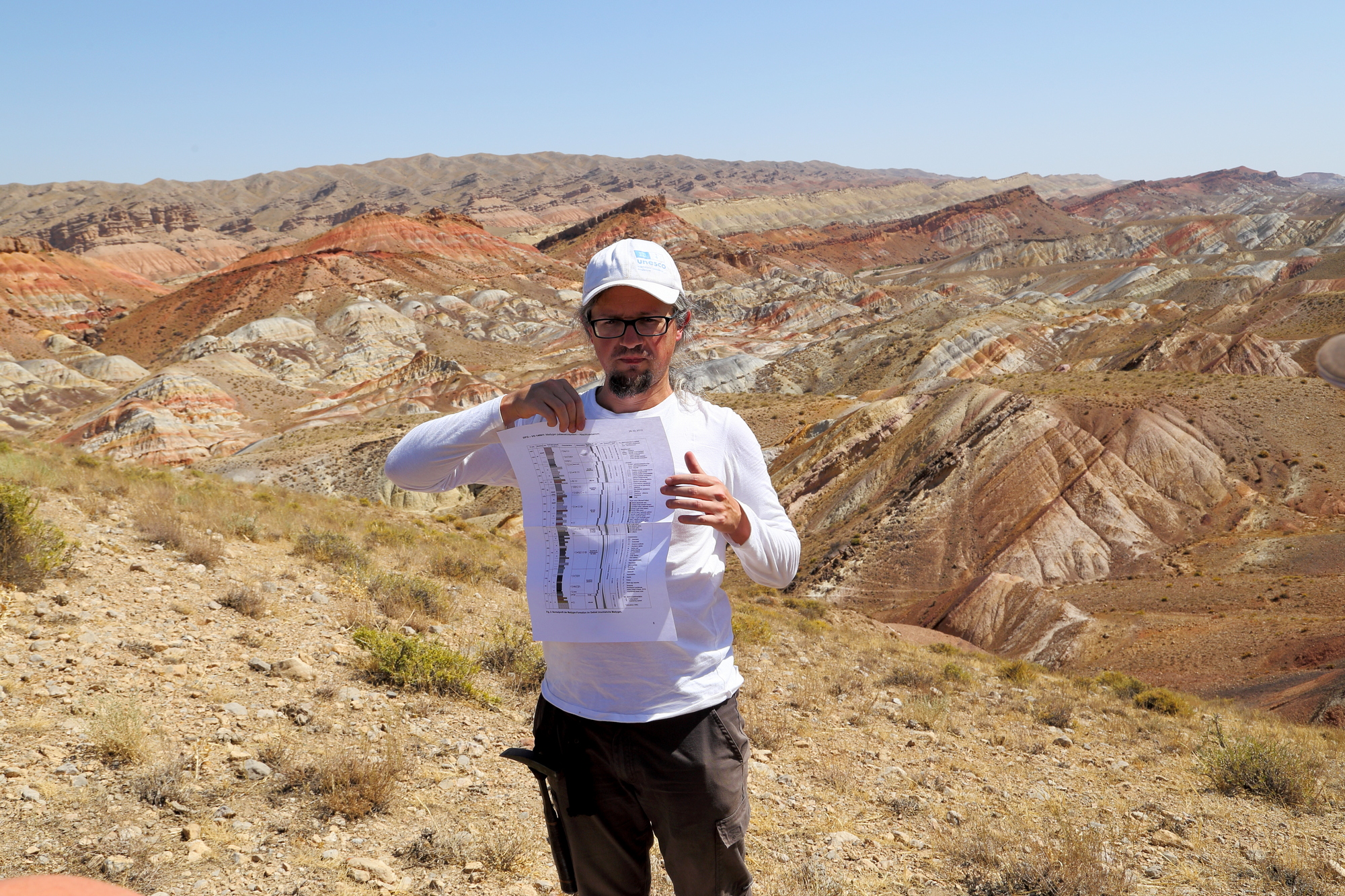
Transfer to Madygen — a globally significant geosite featuring outstanding landscapes and complex geological structure. A harmonious interplay of tectonic structures, rare mineral formations, and rich geohistory. Madigen is renowned for well-preserved Mesozoic and Cenozoic deposits containing rare fossils that aid in reconstructing Central Asia’s evolutionary and ecological history.
This area is a “living laboratory” for observing the tectonic influence on landscape, mineralogy, and long-term geological development of the South Tien Shan. Madygen is a globally important geological and paleontological monument


Day 7. August 18. Batken – Osh
The return route crosses the 40th Parallel Depression — a major tectonic zone between the Alai-Turkestan Range and the Fergana Valley. The landscape combines folded and faulted structures forming a mix of mountains and plains — typical of this transitional geological zone


Day 8. August 19. Conference in Osh
Location: Hotel in Osh
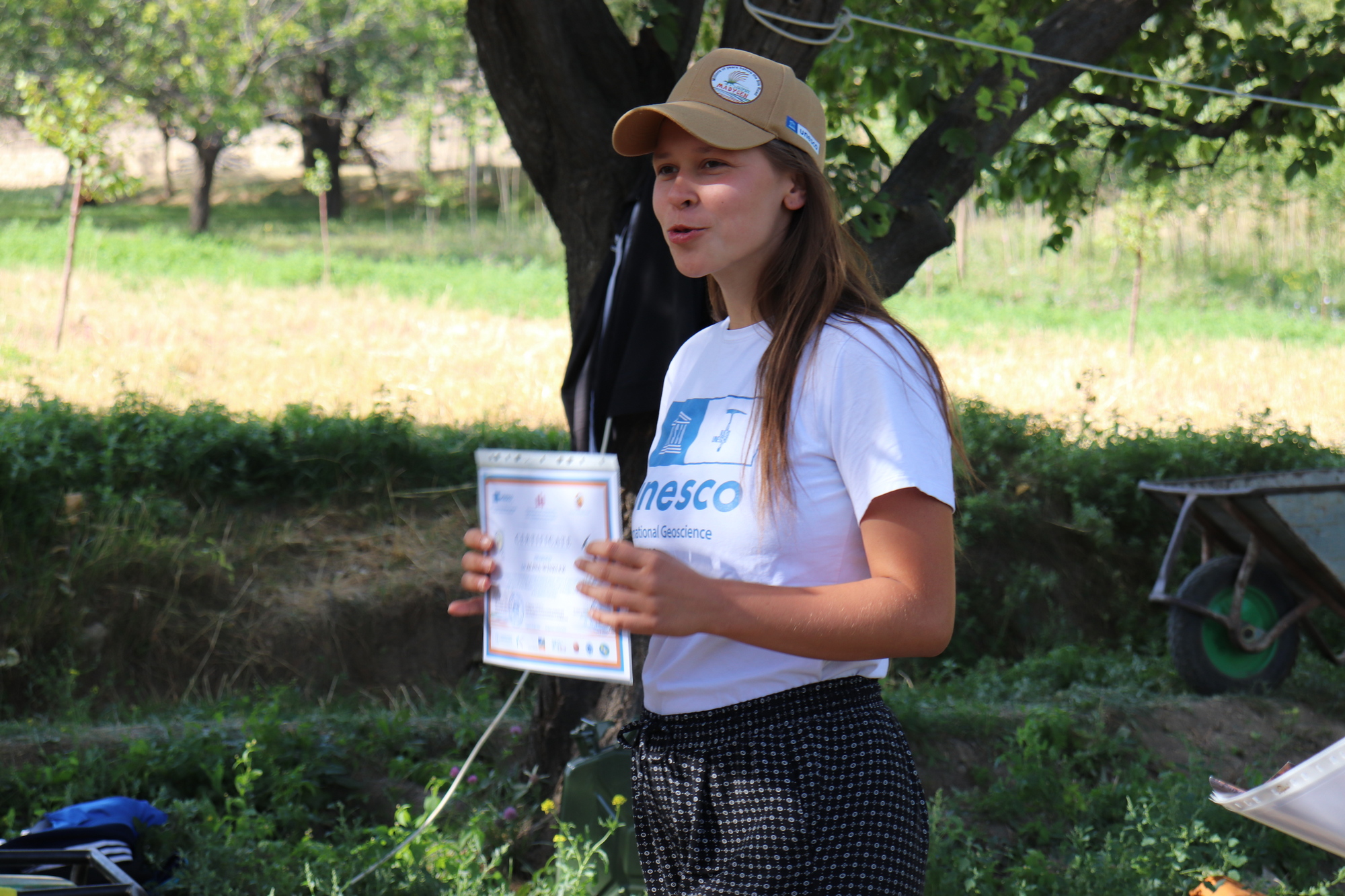
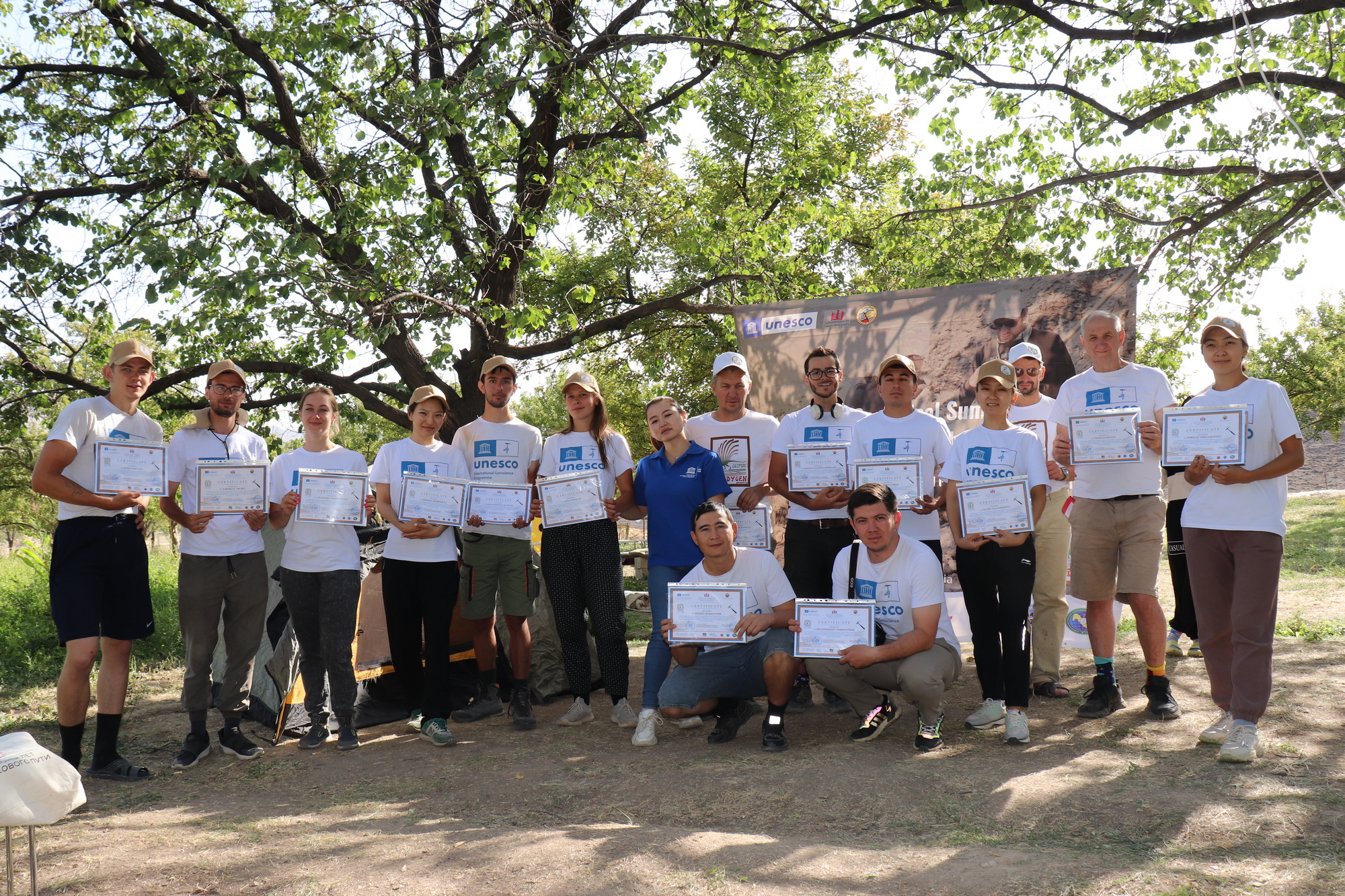
Scientific-practical seminar on geoheritage and the geology of the Tien Shan. Closing ceremony with official certificate presentation for participants of the International Summer School – 2025.
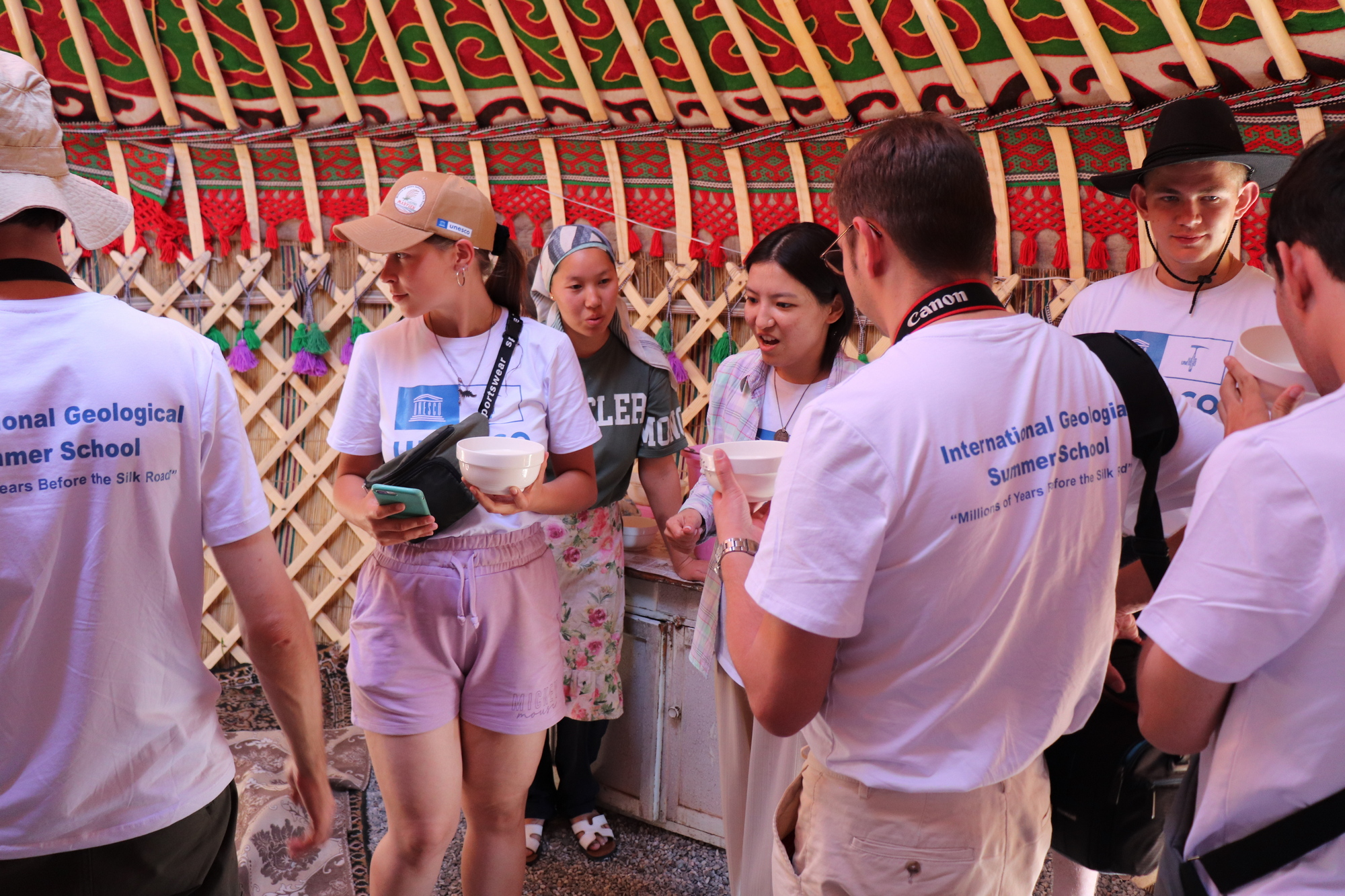
Gala dinner at an ethnic-style teahouse restaurant.
PROGRAM OF THE SEMINAR – TRAINING
Day 9. August 20. Osh – Sary-Mogol (Pamir)
Route via the Pamir Highway through the Alai Valley — a major intermontane structure marking the tectonic and orographic boundary between the Pamirs and the Tien Shan.
This boundary follows the Kyzyl-Suu River, a main headwater of the Amu Darya transboundary system. The Pamir Highway is a “geological open-air museum,” showcasing the region’s tectonic evolution. The road climbs to 3,615 m along the Alai Range, offering views of the Alai Valley and the Pamir highlands to the south. This tectonically active zone is ideal for studying collisional compression between the Indian and Central Asian plates. Exposures show structures of the Central Asian Fold Belt — anticlines, thrusts, and faults. This is one of the key locations to observe modern geodynamics at the junction of two major tectonic systems.
Note: Participants may choose to end the trip on this day and fly out from Osh. Airport transfer will be provided


Day 10. August 21. Sary-Mogol – Achik-Tash
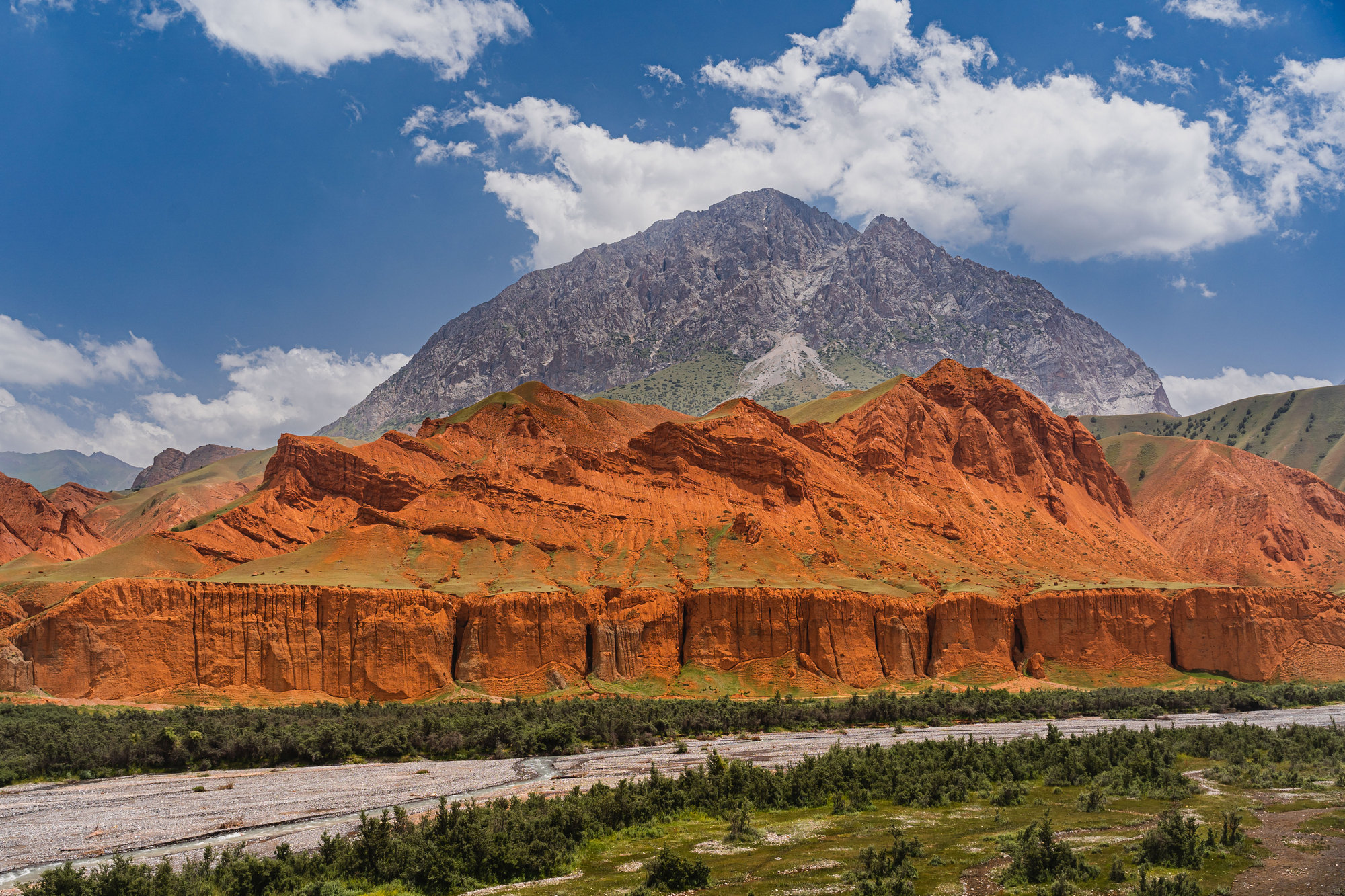
Morning: trip to Lukovaya Polyana, located on an ancient fluvioglacial terrace. Panoramic views of glacial and nival landforms, Late Pleistocene and Holocene deposits.
In the distance — Peak Lenin (7,134 m), a dominant structural feature of the Pamir-Alai geodynamic zone. Lunch at the base camp in the subnival belt.
Afternoon: hike to Tulpar-Kul Lake, nestled in a glacial moraine complex partially reshaped by exogenic processes. The trail traverses terminal moraines and small glacial and suffusion lakes.
The landscape highlights the tectonic scale of the region and shows visual signs of collisional interaction between the Indian and Eurasian plates — manifest in the arc-shaped Pamirs and active neotectonic deformation. Return to Sary-Mogol and overnight in a guesthouse


Day 11. August 22. Sary-Mogol – Osh
Return trip along the Pamir Highway through the diverse landscapes of the Southern Tien Shan. High-mountain glacial and moraine forms give way to faulted and folded structures creating steep slopes and deep gorges. As elevation decreases, the terrain softens — foothills transition into broad alluvial plains adorned with striking river terraces. These terraces are visible signs of active uplift and ongoing crustal deformation, contributing to the expressive and historically layered landscape. Arrival in Osh. End of the high-mountain segment. Overnight at a hotel.


Day 12. August 23. Osh – Toktogul
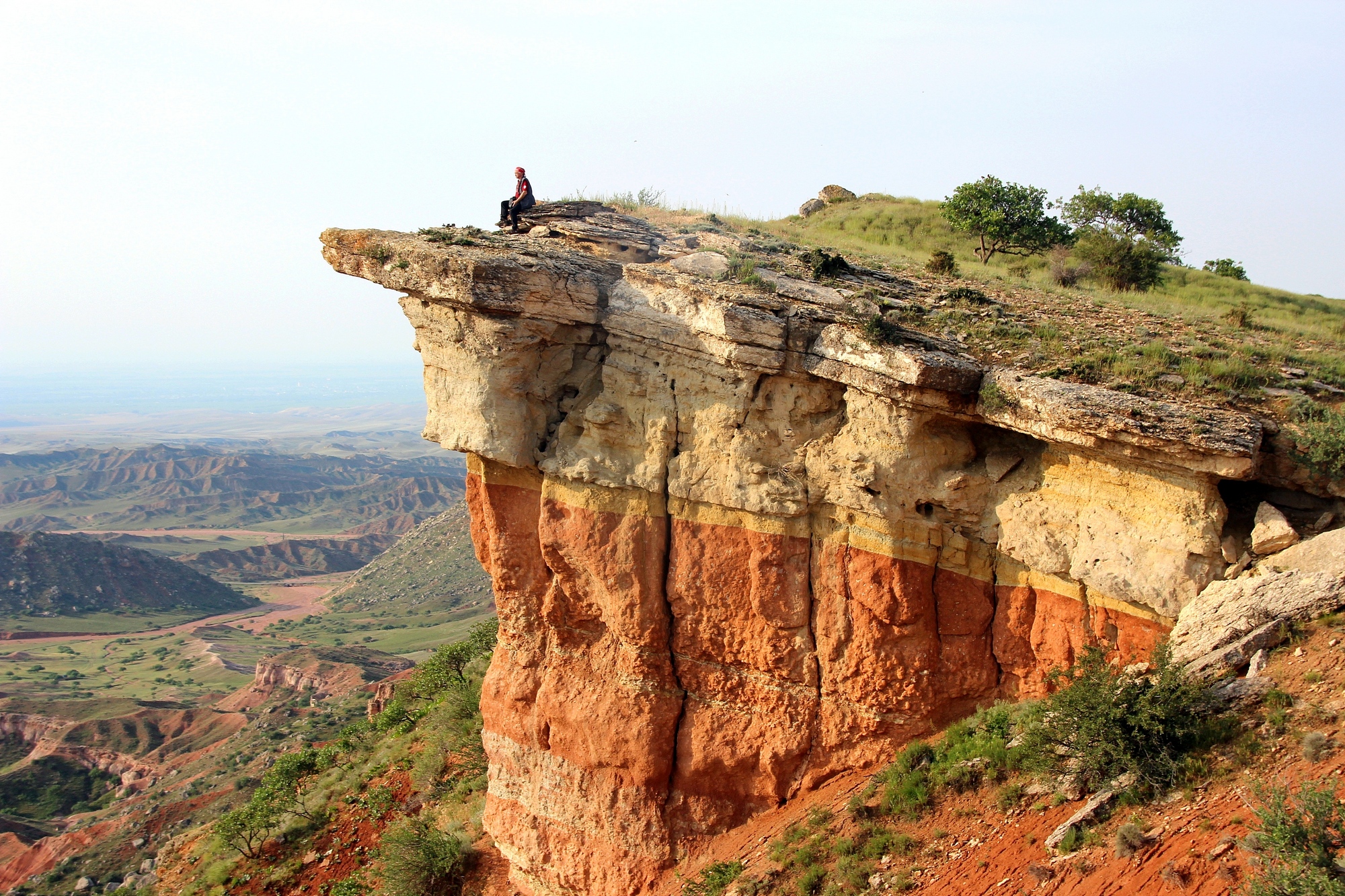
Return journey from Osh to Toktogul offers a different geological perspective. The route moves from sedimentary formations of the Fergana Valley to the complex structures of the Northern Tien Shan. This leg highlights lithological changes and tectonic diversity — showcasing the landscape-shaping processes of the region
Day 13. August 24. Toktogul – Bishkek
Final leg of the route: Toktogul to Bishkek.
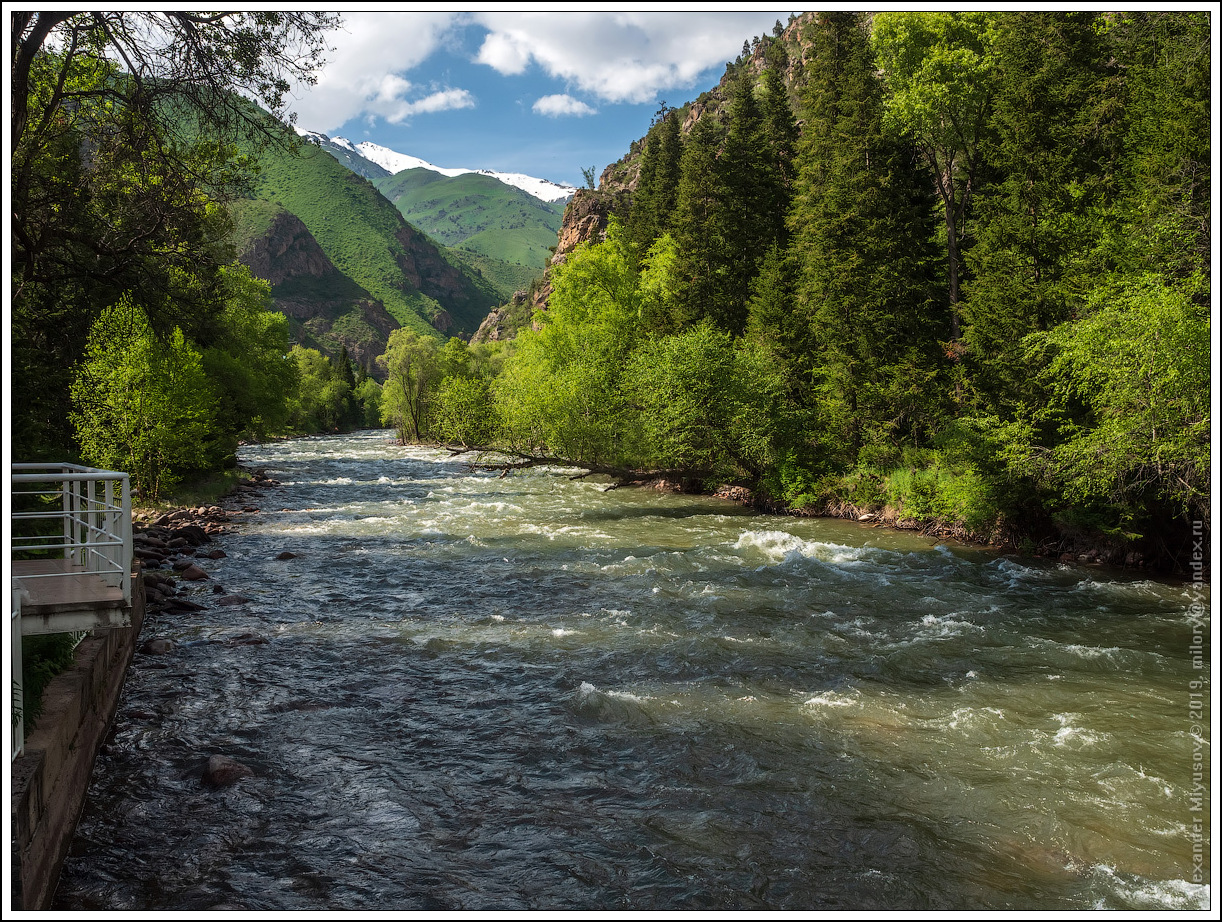
A gradual transition from Northern Tien Shan mountains to the foothills and plains of the Chuy Valley. As Bishkek approaches, geological formations and terrain change, showing the effects of both ancient and modern tectonic processes that have shaped the area’s varied geomorphology. This route emphasizes the unity and complexity of Kyrgyzstan’s geological evolution — from mountain peaks to fertile plains. Hotel check-in in Bishkek. Transfers will be organized to Ak-Zhol border checkpoint (Kyrgyzstan–Kazakhstan) and to the airport
Those wishing to participate in the events can contact via WhatsApp/Telegram +996 553 991663
Or write to the secretariat: info@geotianshan.org
Field Trip Route Map


